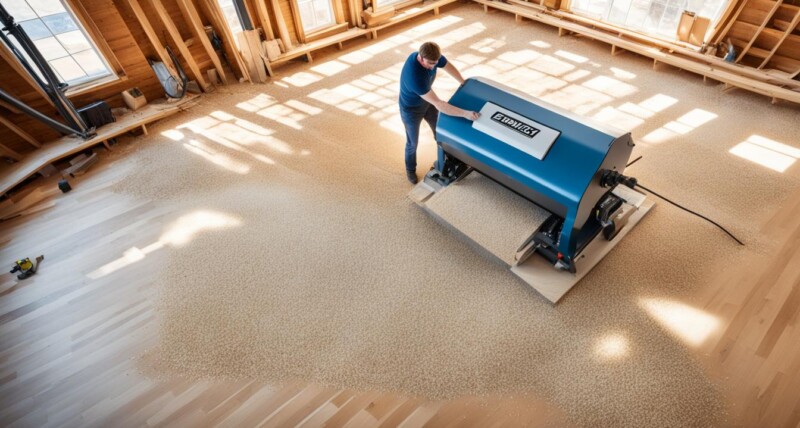
Exploring the realm of home renovations, particularly floor sanding, is essential when considering both the investment and the increase in home value it can offer. This initial discussion dissects whether the costs diverted into rejuvenating your wooden floors are justified by the resultant enhancement in aesthetics and utility. By delving into the economics of the process, the potential uplift in property worth, and the benefits over DIY methods, this article aims to provide clarity on whether floor sanding is a prudent financial move.
Floor sanding represents more than just an aesthetic upgrade; it’s a strategic enhancement to the core value of your property. It involves meticulous stripping away of old blemishes and applying a fresh finish that not only revives the appearance of the wood but also offers a durable solution to wear and tear. Here, we will discuss the direct impacts on home value, analyse upfront and long-term costs, and compare professional services to DIY attempts, helping you ascertain the true worth of this investment.
Key Takeaways
- Understanding the actual costs and benefits of floor sanding as a home improvement project.
- Analysis of floor sanding impact on home value and its economic rationale.
- Benefits of professional floor sanding services over DIY options in terms of quality and durability.
- Exploration of the long-term investment value and sustainability offered by floor sanding.
- Assessment of the economics of floor sanding compared to other home enhancement projects.
The Impact of Floor Sanding on Home Value
When considering home renovations that boost appeal and marketability, floor sanding stands out due to its ability to significantly elevate home value. Not only does this process enhance the beauty of your floors, but it also preserves their quality and extends their lifespan, covering both aesthetic enhancements and functional attributes. Understanding the importance of flooring is key to recognising how these improvements contribute to the overall value of your property.
The Underestimated Importance of Flooring
Flooring might not be the first element you think of when upgrading your home, yet its influence on both the aesthetic appeal and market value is monumental. An investment in floor sanding revitalises your home’s foundation and significantly boosts its allure and home value.
Subtle Aesthetic Enhancements
One of the key benefits of floor sanding is its ability to provide subtle yet significant aesthetic enhancements. This process removes old, worn-out surfaces and unveils the raw beauty of the wood beneath. The result? A fresh, clean look that complements your home’s interior and creates a more cohesive aesthetic.
Functional Attributes
Beyond the visual improvements, floor sanding also improves various functional attributes of flooring. These include better insulation, enhanced sound dampening, and a reduction in allergens, all of which contribute to a more comfortable and healthy living environment. Such functional improvements not only add to the usability of your home but also increase its value.
| Enhancement | Benefits |
|---|---|
| Visual Appeal | A polished and renewed surface that attracts potential buyers |
| Comfort | Improved insulation and noise reduction |
| Health | Reduction in dust and allergens post-sanding |

The Economics of Floor Sanding
Understanding the economics of floor sanding is crucial for homeowners considering this as a cost-effective renovation option. Compared to extensive remodelling projects such as kitchen or bathroom overhauls, floor sanding provides a more accessible entry point in terms of upfront investment and long-term value.
When evaluating the financial perspective of floor sanding, it’s essential to consider the return on investment. A well-executed floor sanding project not only rejuvenates the appearance of your home but also enhances the market value, making it a wise economic choice for future resale.
- Affordability: Floor sanding is significantly less expensive than full-scale renovations.
- Value addition: Enhances the aesthetic appeal and functionality, increasing overall property value.
- Longevity: Extends the life of the wooden floors, reducing the need for frequent replacements.
These features highlight why floor sanding is regarded as a cost-effective renovation strategy, balancing expense with substantial financial benefits.
| Investment Type | Cost | Value Addition |
|---|---|---|
| Floor Sanding | Lower Initial Cost | High |
| Complete Overhaul | High Initial Cost | Variable |
By choosing floor sanding, homeowners can achieve a premium look and feel in their homes without the hefty price tag associated with other renovations. The economic benefits extend beyond mere cost savings, influencing overall home valuation in positive ways.

Finally, floor sanding stands out as a financially viable option that contributes to both the aesthetic and economic value of a property, substantiating its status as a smart investment in the long run.
Comparing Costs: Floor Sanding vs. Total Floor Replacement
When weighing the options between floor sanding and total floor replacement, homeowners are often caught in a decision matrix that involves costs and long-term value. This comparison aims to simplify that decision by breaking down the essential cost considerations and benefits associated with each approach.
Floor sanding generally serves as a cost-efficient method to revitalise existing wooden floors without the need for complete replacement. It involves the removal of the top worn-out layer of wood, then smoothing and refinishing it to bring back its original lustre. On the other hand, total floor replacement involves removing the old flooring entirely and installing new materials, which can be a significantly more expensive and intrusive process.
| Aspect | Floor Sanding | Total Floor Replacement |
|---|---|---|
| Initial Costs | Lower | Higher |
| Process Duration | Few days | Might take weeks |
| Maintenance | Regular maintenance required | Less frequent maintenance |
| Longevity | Can extend floor life significantly | New installation may last longer with new materials |
| Value Addition | Enhances existing investment | Potentially increases property value with new materials |
The decision between floor sanding and total floor replacement significantly depends on the current condition of your floors and your long-term plans for your home. While the costs involved are a crucial factor, it is also important to consider the aesthetic outcomes and the potential increase in home value each option may bring.
Understanding these key aspects helps homeowners make a more informed and financially sensible decision, ensuring they choose the best method to enhance the beauty and functionality of their home floors.

Professional Floor Sanding Versus DIY Approaches
When it comes to renovating your home, choosing between professional floor sanding and DIY sanding can make a significant difference in both the process and outcome. Each approach has its advantages, risks, and limitations that homeowners must evaluate to align with their renovation goals and technical skills.
Advantages of a Professional Service
Opting for professional floor sanding brings several advantages. Primarily, the level of expertise and high-end equipment used ensures a top-quality finish that might be hard to achieve with a DIY approach. Professionals also offer speed and efficiency, significantly reducing the time taken from start to completion. Moreover, they provide a dust-free environment thanks to advanced machinery, which is a crucial aspect often overlooked in the DIY sanding process.
Risks and Limitations of DIY Sanding
While DIY sanding can be cost-effective, it carries significant risks and limitations. The lack of professional equipment can lead to uneven sanding, potential damage to wood floors, and a lot of dust during the process. There’s also a steep learning curve in administering the correct technique to achieve a smooth finish. Subpar sanding could inadvertently lower your property’s aesthetic and monetary value instead of enhancing it.

| Criteria | Professional Floor Sanding | DIY Sanding |
|---|---|---|
| Initial Cost | Higher due to service fees | Lower, investment in tools |
| Time Efficiency | Quick and efficient | Longer, depends on personal speed |
| Risk of Damage | Low, expert handling | Higher, amateur errors possible |
| Quality of Finish | High-quality, uniformly smooth | Variable, often less smooth |
| Dust and Cleanliness | Minimal dust, professional cleanup | High dust levels, self-cleanup |
Long-term Advantages of Floor Sanding
Exploring the enduring benefits of floor sanding reveals why it’s a prudent choice for maintaining the allure and utility of hardwood flooring. Within this section, we delve into how this practice significantly extends the life of flooring by enhancing durability and makes a substantial contribution towards sustainability.
Enhancing Durability and Longevity
Floor sanding primarily revives the top surface of wooden floors which are susceptible to wear and tear over years of use. By removing the superficial layer of damage and applying a fresh sealant, the process effectively prevents deeper damage to the wood’s structure. This treatment maintains the floor’s sturdiness and functionality, significantly extending its lifespan and offering substantial long-term advantages in terms of durability and longevity.

Sustainability and Environmental Impact
The sustainability of floor sanding is particularly notable when compared with the environmental impact of a complete floor replacement. Sanding uses less material and reduces waste, as the existing flooring is refreshed rather than disposed of. This sustainable practice minimises the demand on forestry and lowers the carbon footprint associated with manufacturing and transporting new materials.
| Sanding vs Replacement | Material Used | Environmental Impact |
|---|---|---|
| Floor Sanding | Minimal new materials | Lower carbon footprint |
| Total Floor Replacement | High material consumption | Higher carbon footprint |
Focusing on sustainability and reducing the environmental impact of home renovations, floor sanding presents itself as an environmentally responsible alternative. By favouring this option, homeowners contribute to broader environmental preservation efforts while ensuring the longevity and aesthetic appeal of their wooden floors.
Conclusion
In summing up the discourse on the economics of floor sanding, it’s evident that this home improvement strategy not only enhances the aesthetic appeal of a property but significantly boosts its market value. This article has extensively covered various facets, from the initial cost considerations to the profound impact on home value. The verdict on whether floor sanding qualifies as a prudent investment leans positively, backed by its cost-effective nature and the array of long-term advantages it brings forth.
The critical analysis pays heed to the fact that floor sanding stands as a more economically viable option compared to total floor replacements. Whilst weighing on the expenses involved and the potential uplift in property value, it’s clear that floor sanding is a quintessential example of how strategic investments in your home’s infrastructure can yield substantial returns. Furthermore, the role of professional services in ensuring optimal outcomes cannot be overstated, providing superior craftsmanship over DIY approaches.
Ultimately, considering the longevity and sustainability that floor sanding introduces to wooden flooring, it’s an undeniable asset for homeowners looking to elevate their living environment and investment value. The insights provided across the sections furnish homeowners with the necessary knowledge to conclude that floor sanding is indeed a worthwhile investment for enhancing both the form and function of their homes. It’s an impetus for not merely aesthetic rejuvenation but also for fostering a durable and sustainable home infrastructure.