
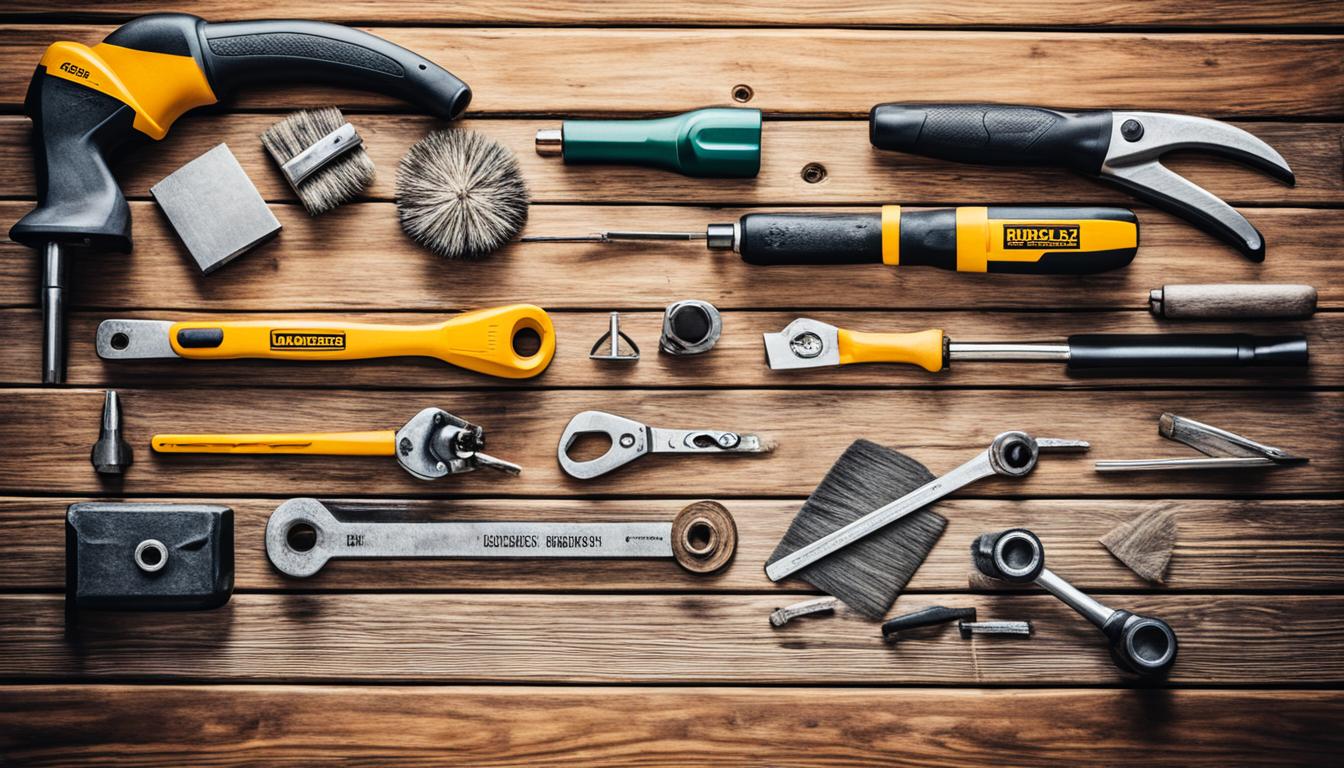
Wooden flooring adds charm and elegance to any space. However, over time, it can lose its luster and become worn down. To restore its natural beauty, wood floor renovation is essential. But to achieve a professional finish, it’s crucial to choose the right tools and equipment for the job.
When it comes to wood floor renovation, there are several key factors to consider. From hardwood floor refurbishment to floor sanding services, selecting the appropriate tools and equipment is key to achieving impeccable results. Whether you’re a floor polishing specialist or a floor repair contractor, this guide will help you navigate the process.
Key Takeaways:
- Wood floor renovation is necessary to restore the beauty of wooden flooring.
- Choosing the right tools and equipment is crucial for achieving a professional finish.
- Consider factors such as wood floor sanding services and hardwood floor refurbishment.
- Wooden flooring restoration requires careful selection of tools and accessories.
- Whether you’re a floor polishing specialist or a floor repair contractor, the right tools are essential for a successful renovation project.
Understanding the Basics of Wood Floor Sanding
Before embarking on a wood floor renovation project, it’s crucial to have a solid understanding of the basics of wood floor sanding. Sanding plays a vital role in restoring the beauty of your wood floors by removing the old finish, exposing the raw wood, and smoothing out surface imperfections. Different types of wood floors require specific sanding techniques and equipment to achieve the best results.
Sanding not only removes the existing finish but also allows you to address any surface imperfections that may have developed over time. Scratches, dents, and unevenness can all be effectively smoothed out during the sanding process, leaving you with a clean and even surface ready for refinishing.
Proper sanding techniques are essential to prevent over-sanding or under-sanding. Over-sanding can result in a loss of too much wood, while under-sanding may leave behind imperfections. It’s important to strike the right balance to achieve a smooth and flawless finish.
Various sanding techniques can be utilized depending on the condition of your wood floors. For instance, if you’re dealing with deep scratches and significant surface damage, starting with a coarser grit sandpaper and gradually transitioning to finer grits can help achieve the desired outcome. On the other hand, if your floors only require a light sanding to address minor imperfections, a finer grit sandpaper may suffice.
It’s also worth noting that different sanding equipment is designed to cater to specific needs. Drum sanders are often used for larger areas and the initial removal of old finishes or deep scratches, while smaller sanders such as orbital sanders are great for reaching tight corners and achieving a smoother finish.
To illustrate the importance of sanding techniques, here’s a summary of the different sanding equipment and their applications:
| Sanding Equipment | Best For |
|---|---|
| Drum Sander | Large areas, removing thick layers of finish |
| Orbital Sander | Smaller areas, achieving a fine finish |
| Edger Sander | Sanding edges and corners |
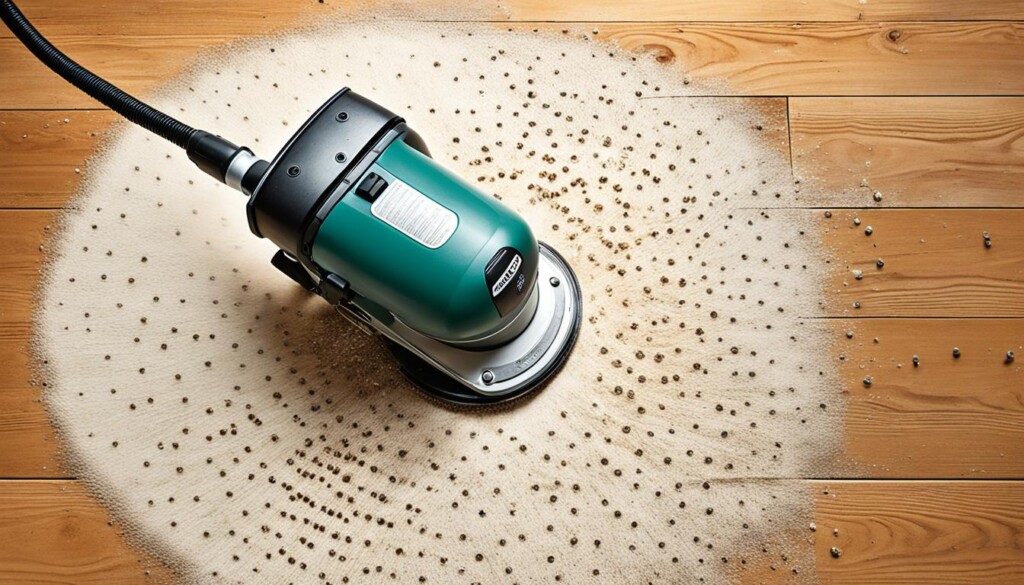
By mastering the fundamentals of wood floor sanding and choosing the appropriate sanding techniques and equipment, you’ll be well equipped to tackle your renovation project with confidence and achieve a beautiful, smooth, and flawless finish.
Choosing the Right Wood Floor Sander
Selecting the right sander is essential for achieving a smooth finish in your wood floor renovation project. Different sanders are designed for specific tasks and areas of your floor. Here are the main types of sanders you should consider:
1. Drum Sanders:
Drum sanders are highly effective for sanding large areas and removing thick layers of finish or paint. They have a rotating drum covered in abrasive sandpaper that quickly and efficiently removes the old finish from the wood surface.
2. Orbital Sanders:
Orbital sanders, also known as random orbital sanders, are excellent for sanding smaller areas and achieving a fine finish. They have a round sanding pad that moves in both an orbital and rotational motion, reducing swirl marks and providing a smooth surface.
3. Edger Sanders:
Edger sanders are specifically designed for sanding edges and corners that are hard to reach with larger sanders. They have a square or rectangular pad that allows for precise sanding in tight spaces, ensuring a consistent finish throughout your wood floor.
When choosing a wood floor sander, it’s also important to consider the appropriate sandpaper grit for each stage of sanding. Coarser grits, such as 36 or 40, are suitable for initial sanding to remove old finishes or deep scratches. As you progress, you can use finer grits, such as 80 or 100, to achieve a smoother surface.
Dust Collection and Safety Considerations
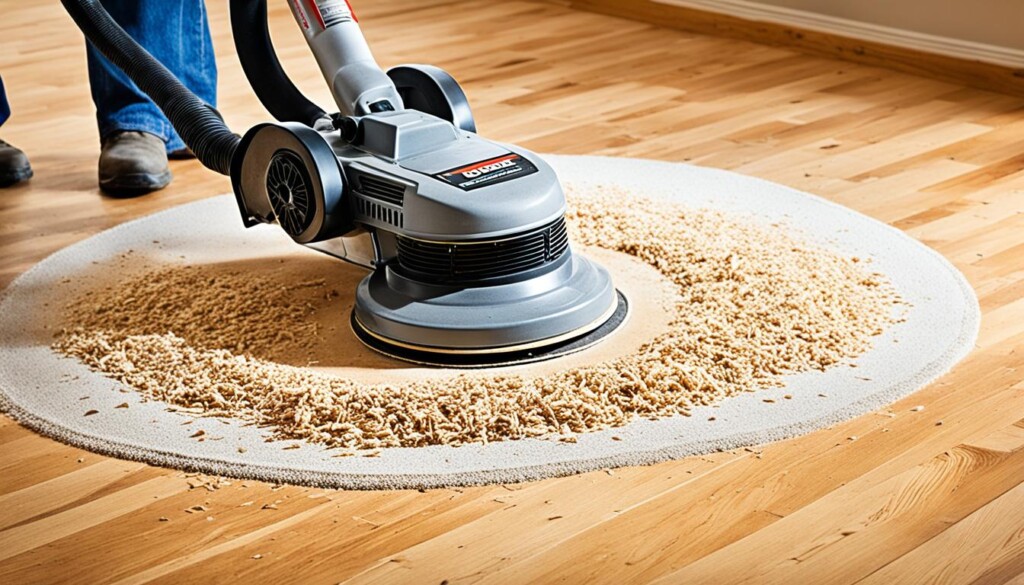
Proper dust collection systems are crucial for maintaining a clean work environment and protecting your health during a wood floor renovation project. Sanding generates a significant amount of dust, which can lead to respiratory issues and create a messy workspace.
Respiratory protection is essential when working with wood floor sanding equipment. Fine wood dust particles can be harmful when inhaled, causing irritation and potential long-term health problems. Utilize respiratory masks or air-purifying respirators to filter out the dust and ensure your respiratory health is not compromised.
Additionally, don’t forget about your eye and ear protection. When sanding, fine dust particles can irritate your eyes, and the noise from the equipment can be damaging to your hearing. Wear safety glasses or goggles to shield your eyes from debris, and use earplugs or earmuffs to protect your hearing from loud noises.
By prioritizing dust collection systems, respiratory protection, and eye and ear protection, you can create a safer working environment and mitigate potential health risks associated with wood floor renovation.
Benefits of Dust Collection Systems
“Investing in a high-quality dust collection system provides multiple benefits. Not only does it help maintain a cleaner workspace, but it also improves the quality of finish on your wood floors. Moreover, efficient dust collection systems reduce the time required for post-sanding cleanup, allowing you to focus on other aspects of the renovation process.” – Mark Johnson, Wood Floor Refurbishment Expert
| Key Features of Dust Collection Systems | Benefits |
|---|---|
| Strong suction power | Efficiently captures dust particles, minimizing airborne dust |
| Multiple filtration stages | Filters out fine dust particles, improving air quality |
| Large collection capacity | Reduces the need for frequent emptying, enhancing productivity |
| Easy-to-use design | Streamlines the dust collection process, saving time and effort |
Additional Accessories and Tools for Wood Floor Sanding
To achieve professional-quality results in your wood floor renovation project, it’s important to have the right tools and equipment. In addition to sanding equipment, there are a few additional accessories that can make a big difference in the outcome of your project. Here are three essential tools to consider:
Hand Scrapers
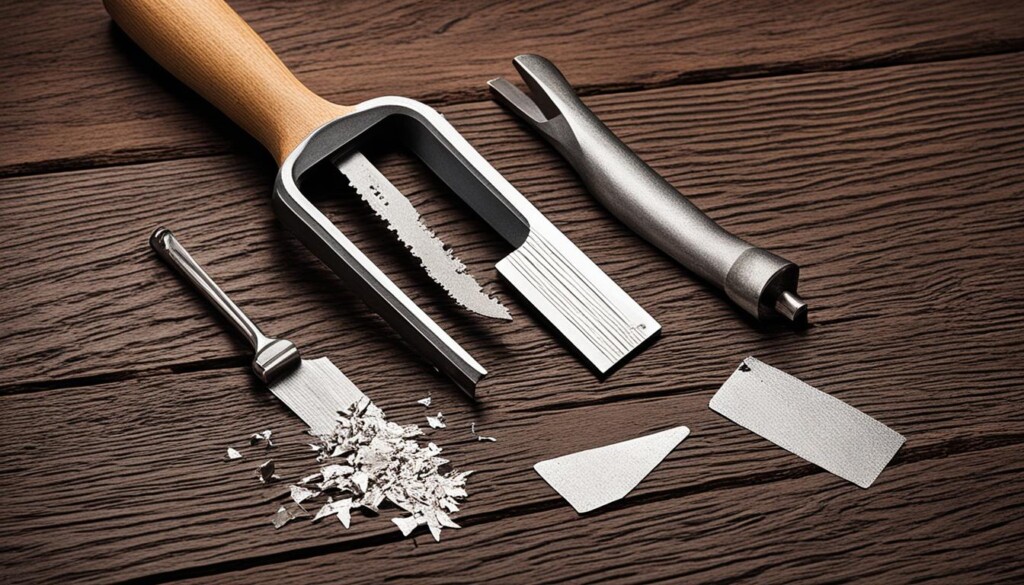
Hand scrapers are incredibly useful for removing stubborn spots and imperfections on your wood floor. Whether it’s paint drips, glue residue, or other tough substances, a hand scraper can quickly and effectively scrape them away, leaving your floor smooth and ready for finishing.
Buffers
Once you’ve completed the sanding process, using a buffer is a great way to blend and smooth the surface of your wood floor. Buffers are designed to bring out the natural shine and luster of the wood, providing a beautiful, finished appearance. They are particularly useful for larger areas where sanding equipment may be impractical.
Vacuum Cleaners
During the sanding process, dust can accumulate quickly, causing a messy work environment and potentially affecting the quality of your finish. That’s why a vacuum cleaner with excellent dust collection capabilities is essential. A vacuum not only helps keep your workspace tidy but also prevents dust from settling back onto the floor, ensuring a clean and professional result.
Investing in these additional accessories will not only make your wood floor sanding project easier but also enhance the outcome, leaving you with a stunningly refurbished floor.
Rental vs. Purchase: Weighing Your Options
When it comes to wood floor sanding equipment, you have two options: renting or purchasing. Each option has its own advantages and considerations. Let’s take a closer look at the pros and cons of each to help you make an informed decision.
The Benefits of Renting
- Cost-effective for single projects: If you have a one-time wood floor renovation project, renting can be a cost-effective solution. It allows you to access professional-grade equipment without the high upfront costs.
- Flexibility: Renting provides flexibility in terms of equipment selection. You can choose the specific sanding equipment that suits your project’s requirements without the commitment of ownership.
The Advantages of Purchasing
- Long-term cost-efficiency: If you anticipate undertaking regular wood floor renovation projects, purchasing the equipment may be more cost-effective in the long run. You eliminate the expense of multiple rentals and enjoy the convenience of having the equipment readily available.
- Convenience: Owning your own wood floor sanding equipment gives you the freedom to work at your own pace and schedule. You won’t have to worry about booking rental machines or returning them within a specific timeframe.
Expert Tip: Consider your project needs, budget, and frequency of use when deciding between rental and purchase options. If you have multiple projects planned, purchasing the equipment may provide better value in the long term.
To help you visualize the cost comparison between rental and purchase options, here’s a breakdown:
| Factors | Rental | Purchase |
|---|---|---|
| Equipment Cost | Rental price per day or week | Cost of one-time purchase |
| Maintenance | None, included in rental fee | Routine maintenance costs |
| Repairs | Usually covered by the rental provider | Repair costs, if applicable |
| Resale Value | N/A | Potential to resell equipment |
Remember that the decision between rental and purchase ultimately depends on the scope of your wood floor renovation projects and your long-term needs. Take the time to weigh the options and choose the solution that best fits your requirements.
Stay tuned for the next section, where we’ll explore the essential cleaning equipment needed before sanding your wood floors.
Pre-sanding Cleaning Equipment
Before sanding your wooden floors, it’s crucial to prepare the surface by thoroughly cleaning it. The pre-sanding cleaning process ensures that the sanding job is more effective and helps achieve a smoother finish. Here are the essential cleaning equipment you’ll need:
- Vacuum Cleaner: A powerful vacuum cleaner is the first step in removing loose dirt, debris, and dust from the floor. Make sure to choose a vacuum cleaner with strong suction power and attachments that can reach corners and edges.
- Mop: After vacuuming, use a damp mop to remove any remaining dirt particles and sticky residue. A microfiber mop or a mop with a gentle cloth head is ideal for wood floors to avoid scratching the surface.
- Soap: Choose a mild detergent or wood floor-specific soap to clean the floor. Avoid using harsh chemicals that can damage the wood. Dilute the soap in a bucket of warm water according to the instructions on the product.
- Water: Clean, warm water is necessary to create the cleaning solution with the soap. Ensure that the water is not too hot, as excessive heat can damage the wood.
- Wood Cleaning Product: If you prefer, you can use a specialized wood cleaning product instead of soap. These products are specifically formulated to clean and nourish wood floors, ensuring their longevity and enhancing their natural beauty.
Here is an image highlighting the importance of pre-sanding cleaning equipment:

By thoroughly cleaning your wood floors before sanding, you create the perfect foundation for a successful refinishing project. This pre-sanding cleaning process ensures that the final result is a beautifully restored floor that will impress everyone who sees it.
Floor Pry Bar
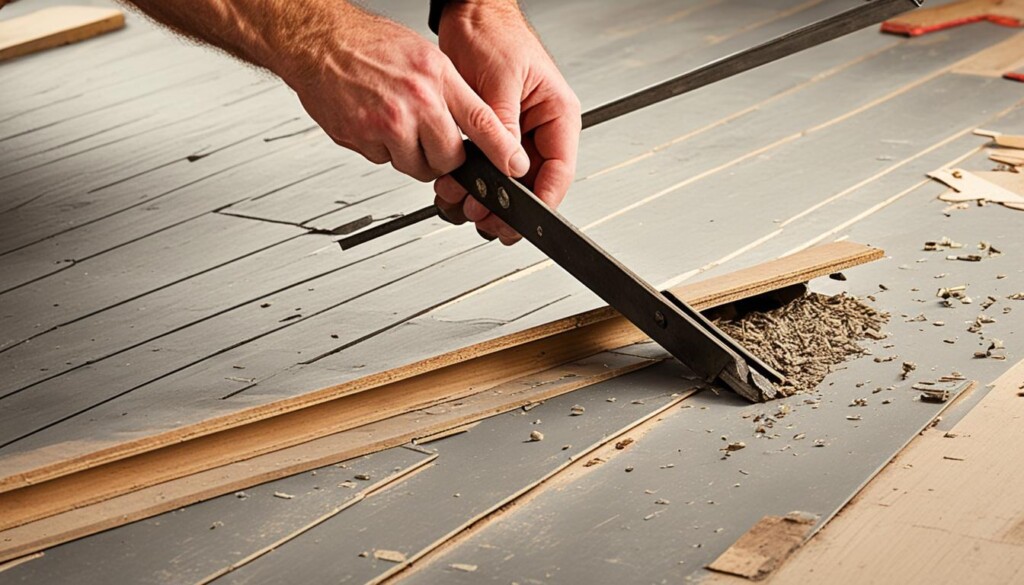
When it comes to preparing your baseboards for refinishing, a floor pry bar is an essential tool. This versatile tool allows you to remove baseboards easily, protecting them from any potential damage during the renovation process.
Whether you’re sanding, staining, or painting your wood floors, removing the baseboards ensures a clean and professional finish. The floor pry bar provides the leverage needed to gently pry the baseboards away from the wall, allowing you to work freely without worrying about accidental damage.
Designed with a flat, angled end, the floor pry bar fits snugly against the baseboards, minimizing the risk of causing dents or scratches. Its sturdy construction ensures durability and ease of use, allowing you to complete your project efficiently.
By using a floor pry bar, you can protect your baseboards and preserve their beauty while giving your wood floors the attention they deserve. Remember, proper preparation is key to achieving exceptional results in any wood floor renovation.
Equip yourself with a floor pry bar and elevate your refinishing project to the next level.
Benefits of Using a Floor Pry Bar:
- Efficiently removes baseboards without causing damage
- Reduces the risk of dents and scratches
- Allows for seamless wood floor refinishing
- Ensures a professional and clean finish
- Durable construction for long-lasting use
Tips for Using a Floor Pry Bar:
- Start at one end of the baseboard and work your way towards the other end.
- Insert the angled end of the pry bar between the baseboard and the wall.
- Gently apply pressure to loosen the baseboard from the wall.
- Move along the length of the baseboard, repeating the process until it is completely detached.
- Store your floor pry bar in a safe place for future use.
Investing in a floor pry bar is a wise choice for any DIY enthusiast or professional wood floor renovator. Don’t overlook the importance of this handy tool in achieving exceptional results and preserving the integrity of your baseboards.
Sanding Machine
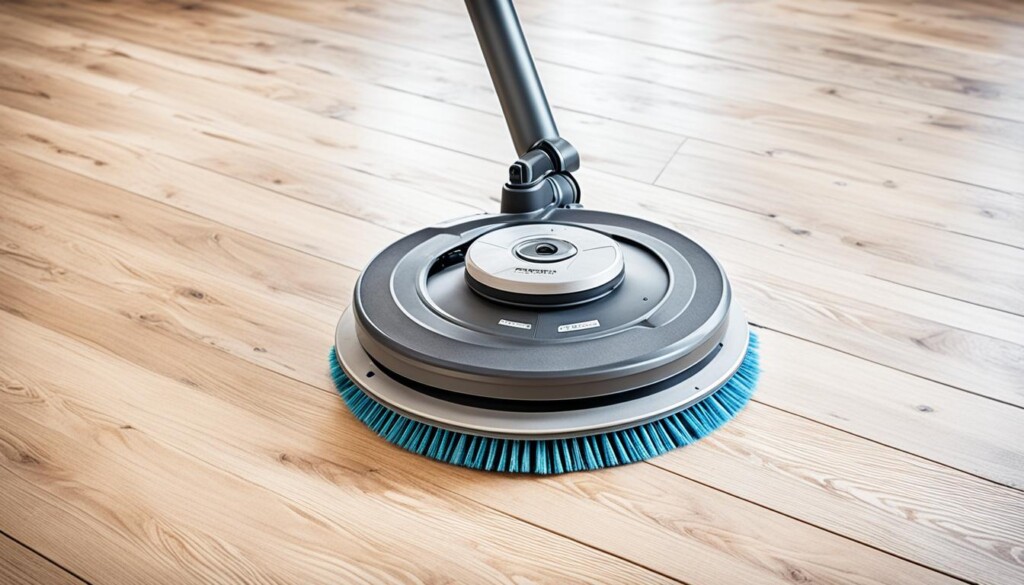
When it comes to sanding your wood floor down to bare wood and removing the old finish, renting a high-quality sanding machine is highly recommended. The right sanding machine can make all the difference in achieving a smooth and professional-looking result. One popular option is a belt sander, which is known for its power and efficiency.
A belt sander is a versatile tool that uses a continuous loop of sandpaper, or sanding belt, to quickly and effectively remove material from the surface of the wood. It works by rotating the sanding belt around two drums, providing a consistent and even sanding action. Belt sanders are available in a range of sizes and power levels, so it’s important to choose one that suits the scale of your project.
Variable speed control is a key feature to look for in a belt sander. This allows you to adjust the speed at which the sanding belt rotates, giving you more control over the sanding process. Lower speeds are ideal for delicate sanding tasks, while higher speeds can tackle tougher surfaces. The ability to adjust the speed ensures that you can achieve the desired result without damaging the wood.
Another important aspect to consider is the dust collection system of the sanding machine. Sanding creates a significant amount of dust, which can be hazardous to your health and affect the quality of your finish. Look for a sanding machine with a built-in dust collection system or the option to attach a vacuum cleaner. This will help keep your work area clean and minimize the amount of dust in the air.
When it comes to sanding belts, different grits are essential for achieving the best results. Coarser grits are used for the initial sanding to remove the old finish and flatten the surface, while finer grits are used for smoothing and polishing. It’s important to have a range of sanding belts with various grits on hand to meet the different stages and requirements of your sanding project.
Overall, a high-quality sanding machine, such as a belt sander with variable speed and a dust collection system, paired with the right sanding belts, will ensure that you can achieve a smooth and professional finish on your wood floor.
Pros and Cons of Belt Sanders
| Pros | Cons |
|---|---|
| Powerful and efficient | Can be aggressive if not used properly |
| Variable speed control for versatility | May leave sanding marks if not handled carefully |
| Effective in removing material and leveling the surface | Requires practice to master the technique |
| Compatible with a dust collection system for cleaner work environment | Not suitable for detailed or intricate areas |
Sanding Edger
A sanding edger is an essential tool for sanding corners and edges of wood floors. While a floor sander is ideal for sanding large areas, corners and edges require a different approach. The sanding edger allows you to reach tight spaces and ensure a consistent finish throughout the floor.
When selecting a sanding edger, there are a few important factors to consider:
- Disc Speed: The disc speed of the edger determines how quickly it can remove material. Higher disc speeds are suitable for rough sanding, while lower speeds are better for touch-ups and fine finishing.
- Dust Collection System: A good dust collection system is crucial for keeping the work area clean and minimizing airborne dust particles. Look for an edger with a reliable dust collection system to facilitate a healthier and more efficient sanding process.
By choosing a sanding edger with the right disc speed and a reliable dust collection system, you can achieve consistent results and minimize the time spent on cleaning up after sanding.
“The sanding edger is a game-changer when it comes to achieving a professional finish on wood floors. It allows you to tackle corners and edges with precision, ensuring the entire floor looks flawless.”
Tips for Sanding Corners and Edges:
- Start by removing any baseboards or trim to create easier access for the edger.
- Hold the sanding edger firmly but not too forcefully, allowing the machine to glide smoothly along the surface.
- Work in a consistent motion, moving the edger in a circular or figure-eight pattern to avoid creating visible lines or gouges.
- Be mindful of the disc speed and adjust it as needed depending on the condition of the wood and the desired level of sanding.
Remember to always wear appropriate safety gear, including eye protection, a dust mask, and ear protection, when operating the sanding edger.
| Disc Speed | Dust Collection System |
|---|---|
| Variable speed options to cater to different sanding requirements | Efficient dust collection system to keep the work area clean |
| Allows for both rough sanding and fine finishing | Minimizes airborne dust particles for a healthier work environment |
| Easy disc speed adjustment for optimal results on different wood surfaces | Reduces clean-up time by capturing dust effectively |
Dust Containment System
Dust containment systems are essential when undertaking wood floor renovation projects. They not only help maintain a clean work area but also protect your respiratory health. Without proper dust containment systems, fine particles generated during sanding can become airborne, leading to respiratory issues.
Several types of dust containment systems are available, including:
- Dust Bags: These attach to the sanding equipment and collect dust as it is generated. They are simple to use and effective in minimizing dust in the immediate vicinity.
- Vacuum Attachments: These connect to sanding machines, capturing dust directly at the source. They provide efficient dust extraction, resulting in a cleaner work area and improved air quality.
- Containment Barriers: These are physical barriers placed around the work area to prevent dust from spreading to other parts of the room or building. They are particularly useful in larger renovation projects.
By implementing a suitable dust containment system, you can achieve a higher quality finish and improve overall efficiency. Furthermore, it ensures a healthier work environment by reducing the risk of respiratory issues caused by prolonged exposure to airborne dust particles.
Remember, when working with wood floor sanding equipment, always prioritize dust containment systems to protect both your well-being and the quality of your finished results.
| Type of Dust Containment System | Advantages |
|---|---|
| Dust Bags | – Simple to use – Effective in minimizing dust near the sanding area |
| Vacuum Attachments | – Efficient dust extraction – Cleaner work area and improved air quality |
| Containment Barriers | – Prevents dust from spreading to other areas – Useful in larger renovation projects |
Conclusion
When it comes to wood floor refinishing, choosing the right tools and equipment is key to achieving a professional finish. By understanding the basics of sanding, selecting the appropriate sanders, considering safety measures, and utilizing additional accessories, you can transform your worn-out floor into a stunning centerpiece.
One important aspect to consider is whether to rent or purchase the necessary equipment. Renting can be a cost-effective option for one-time projects, while purchasing may be a more economical choice for frequent use. Take into account factors such as project duration and the frequency of refinishing to make an informed decision.
Remember to follow safety precautions throughout the refinishing process. Dust collection systems, respiratory protection, and eye and ear protection are essential for maintaining a clean and healthy work environment.
With the right tools, equipment, and knowledge, you can achieve professional-quality results in wood floor refinishing. So, get ready to unleash your creativity and breathe new life into your wooden floors!
FAQ
What is wood floor renovation?
Why is sanding important in wood floor renovation?
What types of sanders are used in wood floor renovation?
What should I consider when selecting sandpaper for wood floor sanding?
What safety measures should I take during wood floor sanding?
Are there any additional tools and accessories needed for wood floor sanding?
Should I rent or purchase wood floor sanding equipment?
What equipment is needed for pre-sanding cleaning?
What is a floor pry bar used for in wood floor renovation?
What type of sanding machine is recommended for wood floor renovation?
What should I consider when selecting a sanding edger?
Why is a dust containment system important in wood floor renovation?
How can I achieve a professional finish in wood floor renovation?
Source Links
- https://mrsander.co.uk/blog/way-to-choose-your-best-suiting-floor-sanding-equipment/
- https://www.flooringservices.london/articles/tools-needed-for-refinishing-your-hardwood-flooring
- https://www.calgroverentals.com/blog/2023/september/5-essential-tools-you-need-to-refinish-a-hardwoo/

